
Things you can do with your machines Turned Off
I know I did put this in the section I call "Just for Fun," but these are useful techniques.
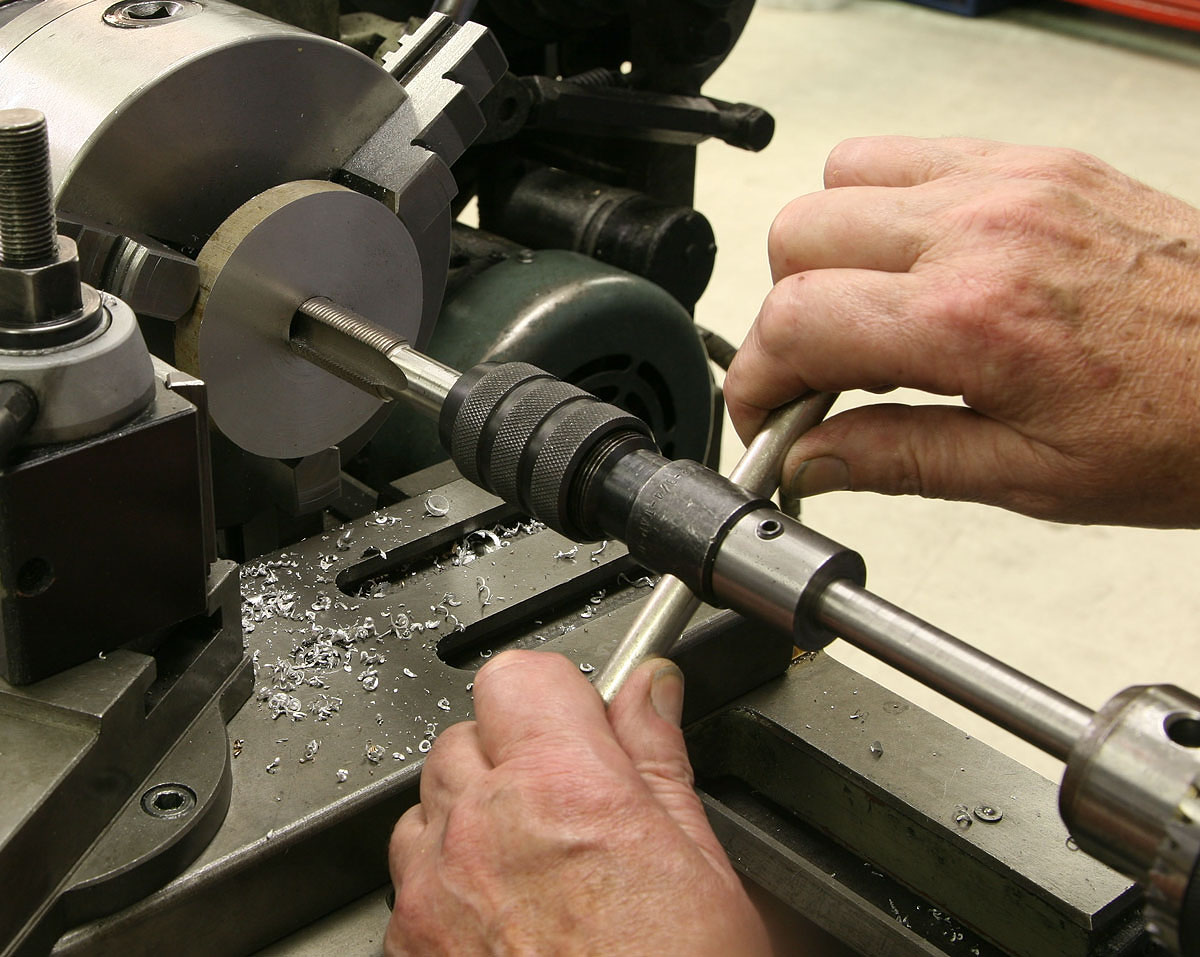
Hand Tapping - lathe, mill, drill press, using the spindle to align the tap on center:
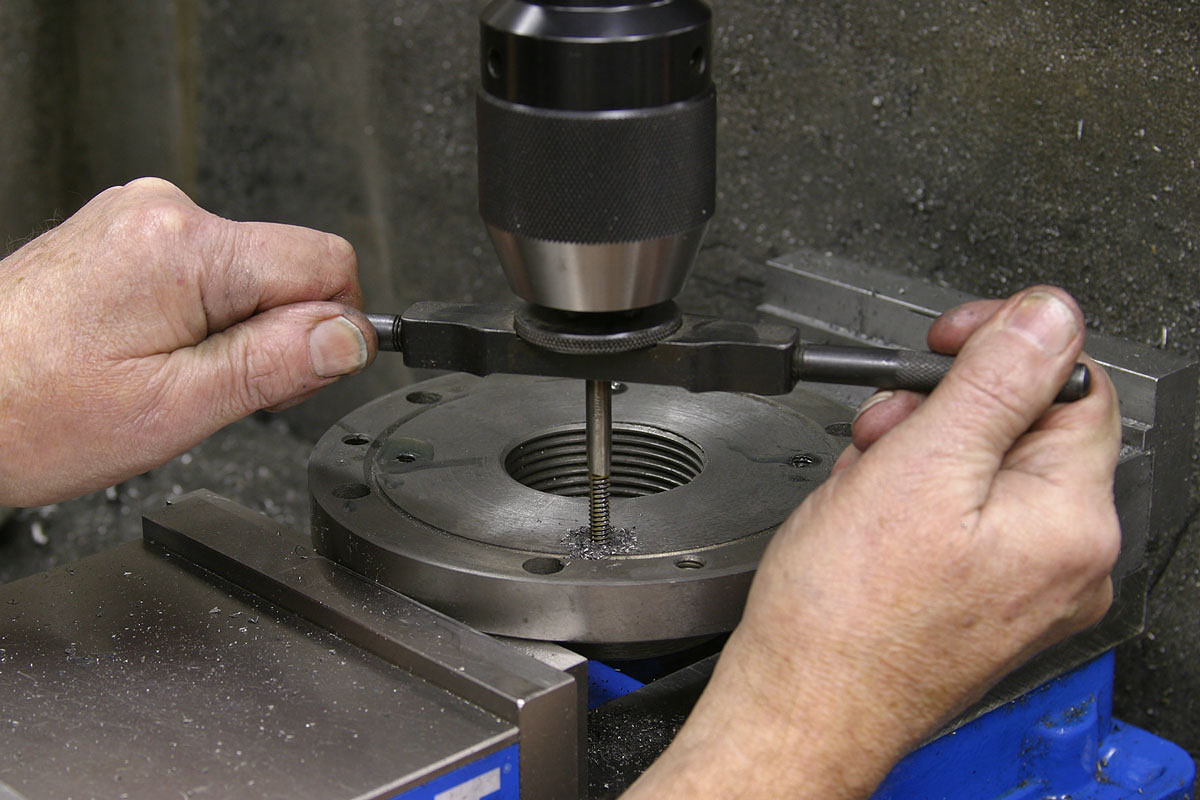
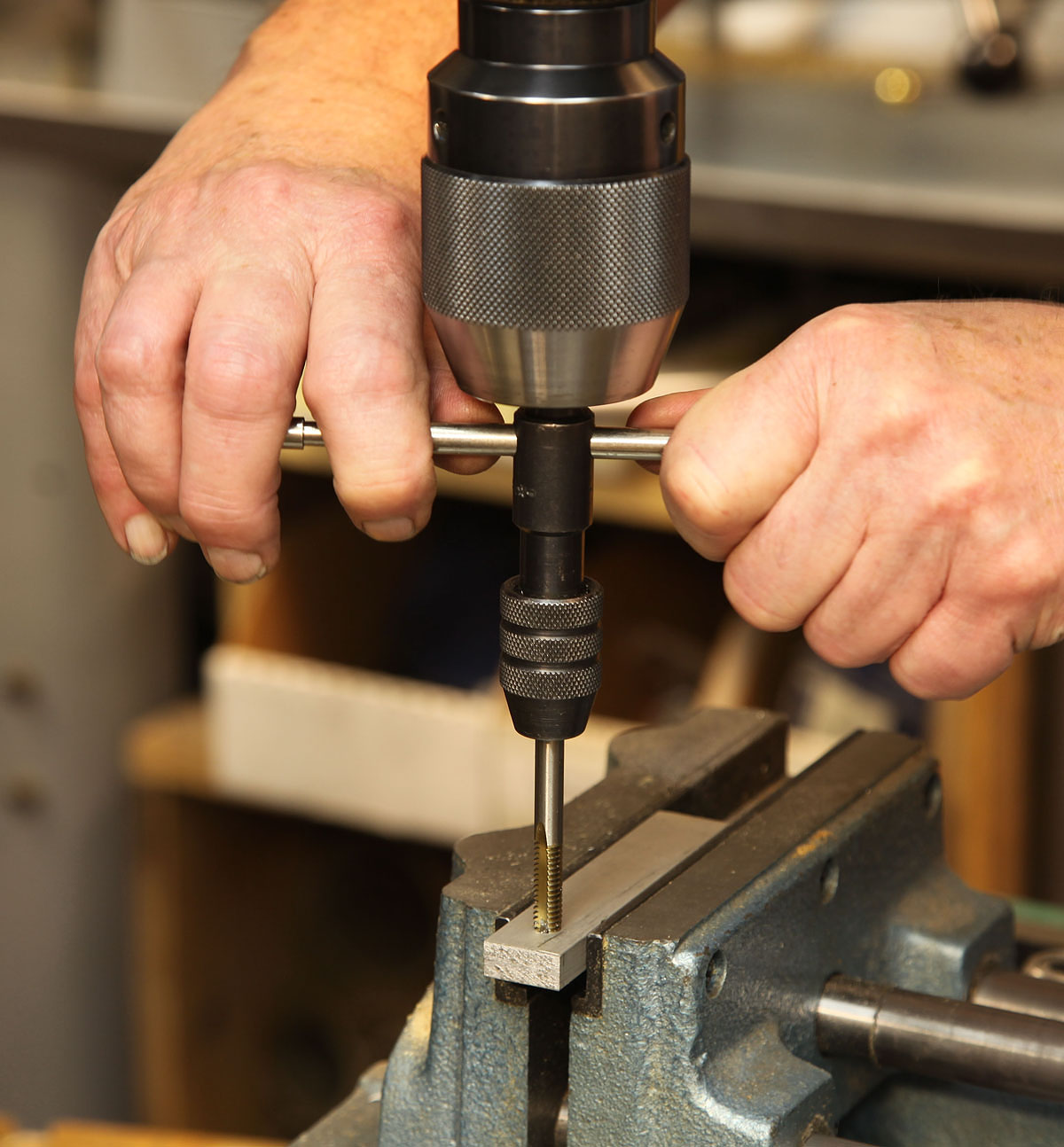
Sensitive hand tapping in drill chuck:
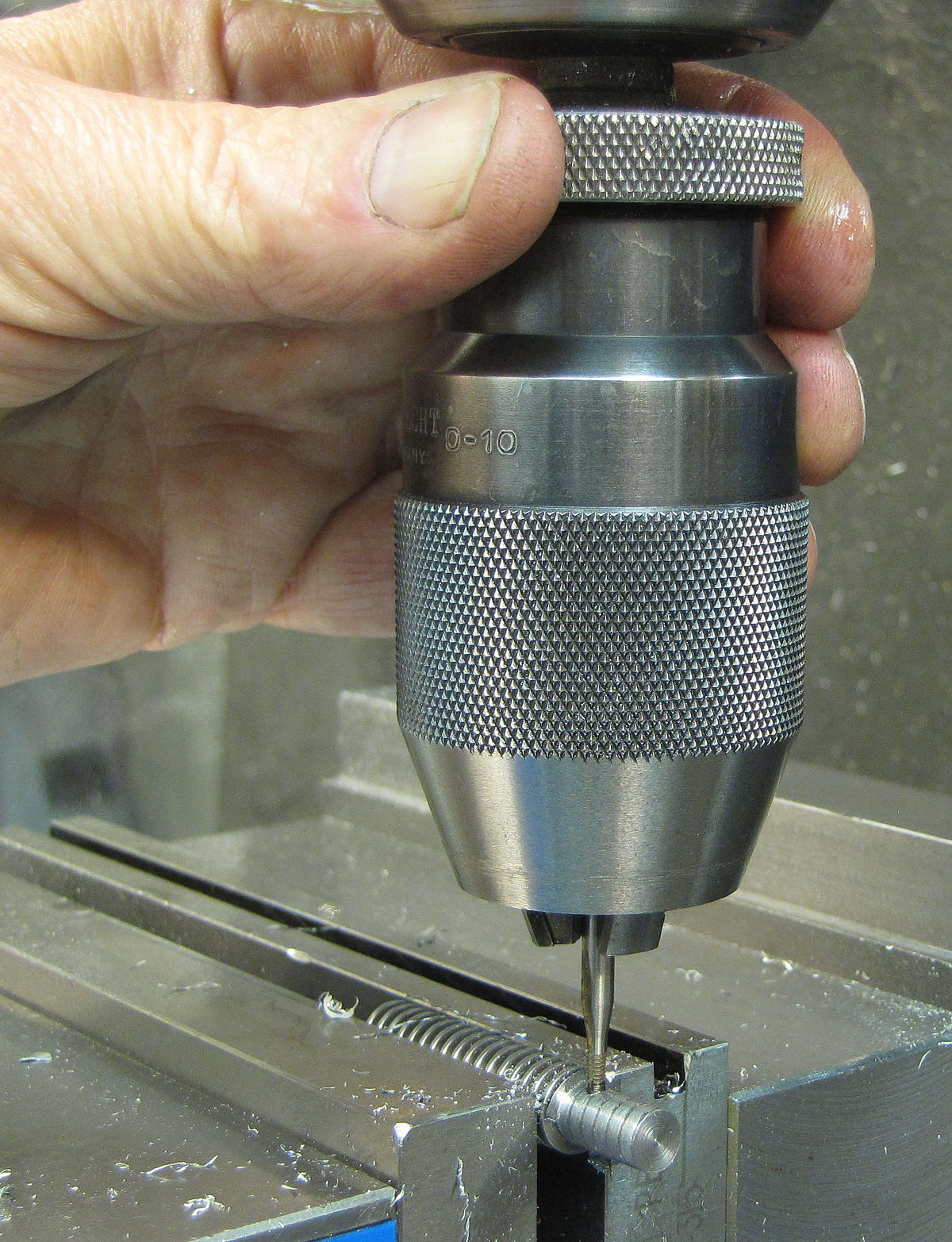
I often tap small holes by gripping the tap in the same chuck I used to drill the hole. Bysimply turning the chuck by hand I have a feel of what's going on, so I ave a better chance to avoid breaking delicate taps.
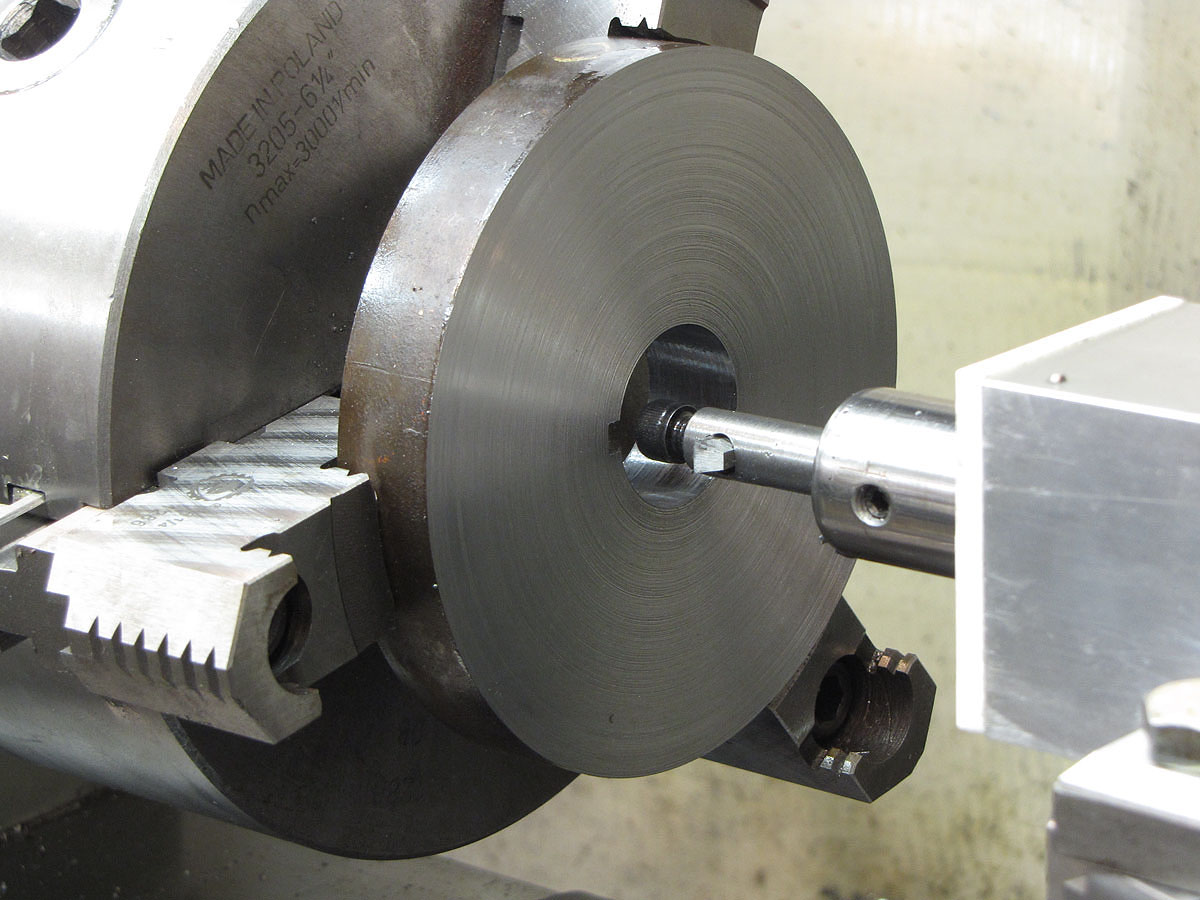
Keyway broaching:
I use my lathe slotting attachment to make keyways while the work is still centered in the lathe:
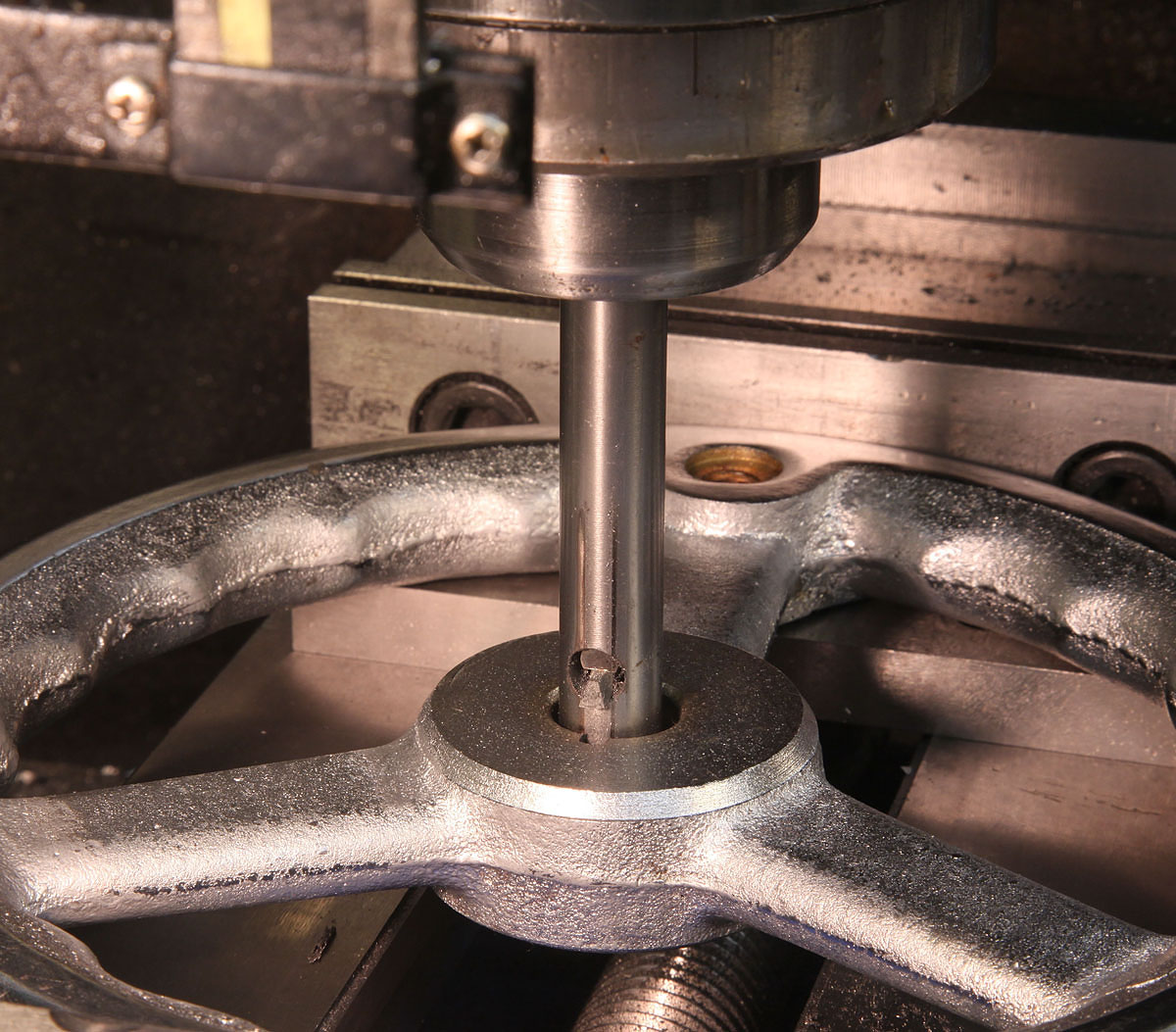
A similar bit holder allows me to do similar slotting on the mill, slowly advancing the table, just as I advance the cross slide on the lathe:
Taking each bite at one or two thousandths at a time, I move the tool in and out quickly, so the work goes easily with very little force on each cut.
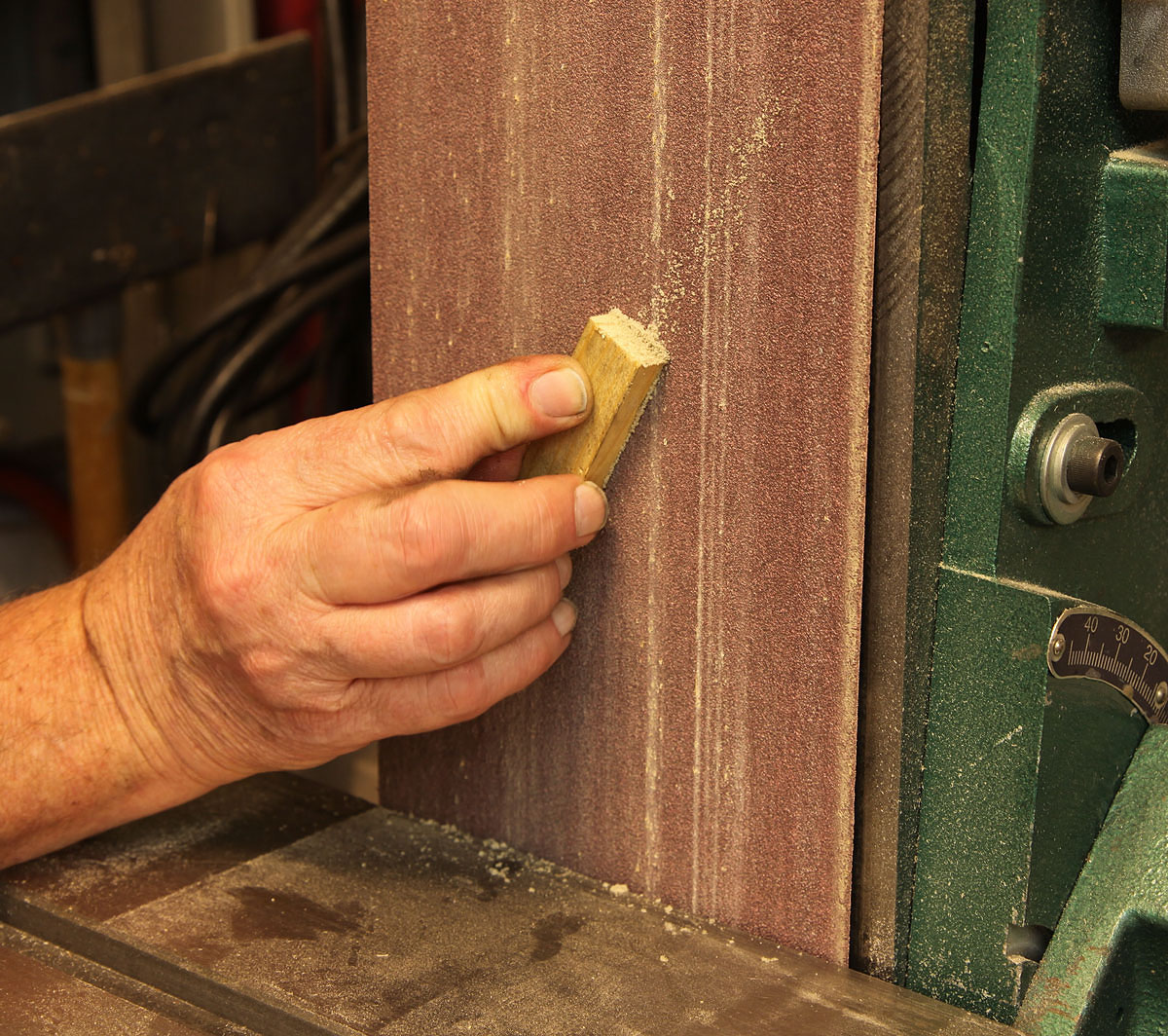
Delicate hand sanding using belt or disc as flat surface:
Sometimes I use the same technique to debur a small flat metal part.
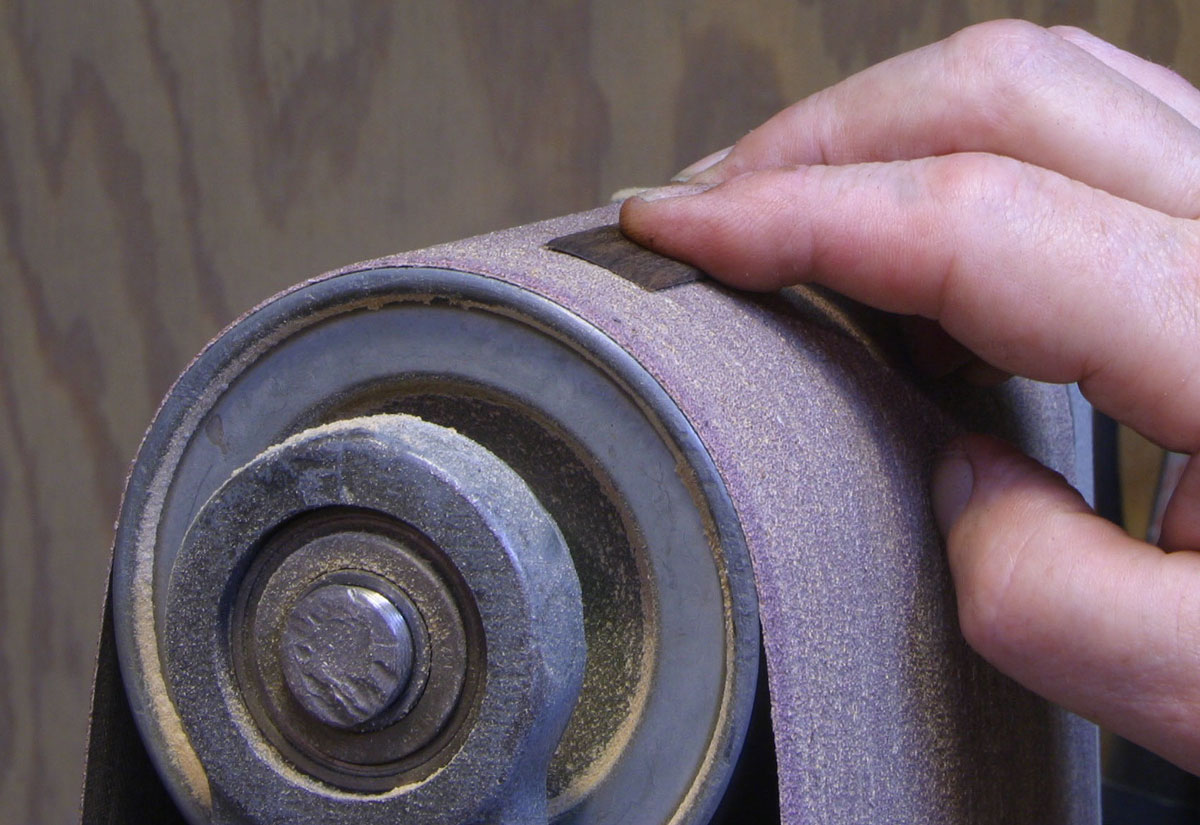
This is me, with my "slo-mo sander" turned off, moving sideways on the exposed upper roller (sorry OSHA, but this one doesn't have guards), adding a concave radius to the bottom of a rosewood slip that will be an interior brace for reinforcement of a crack repair of an important (as in $80,000.00) vintage guitar :
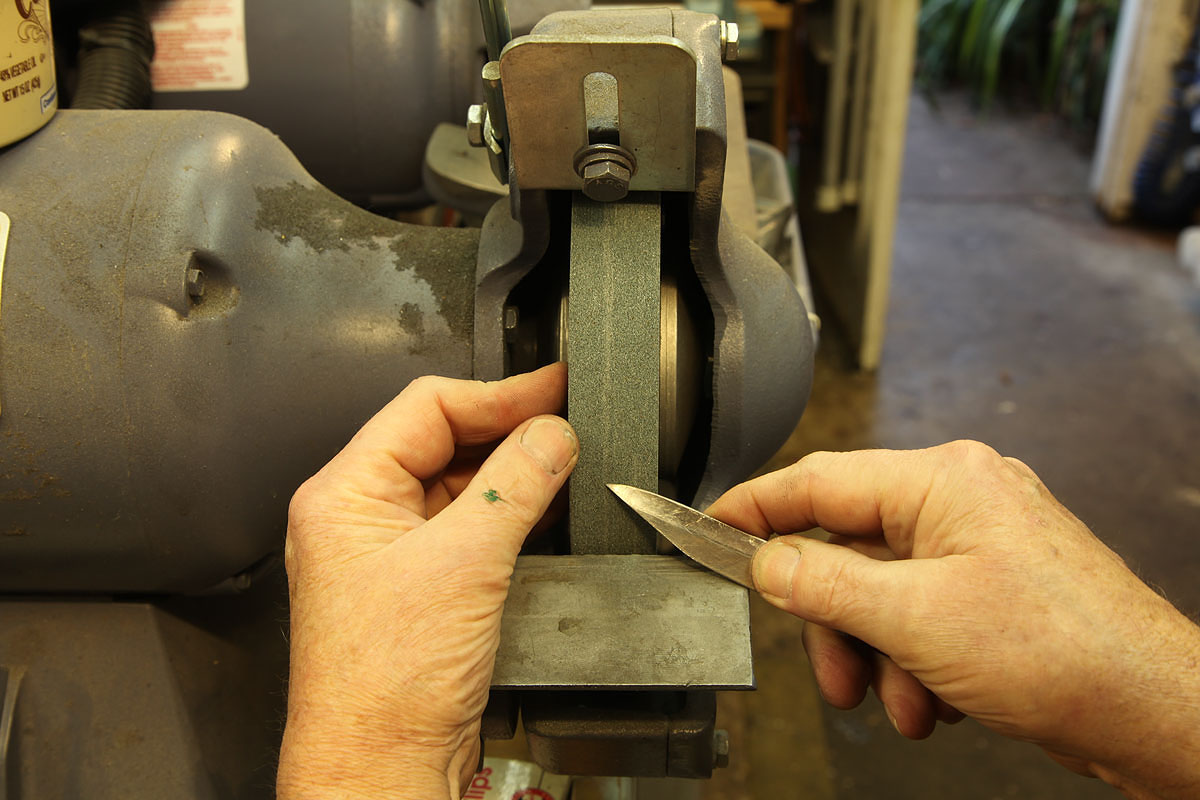
Touching up a fine edge on the grinder:
To add that fine little bevel on my pocket knife above, I'm simply turning the stone by hand.
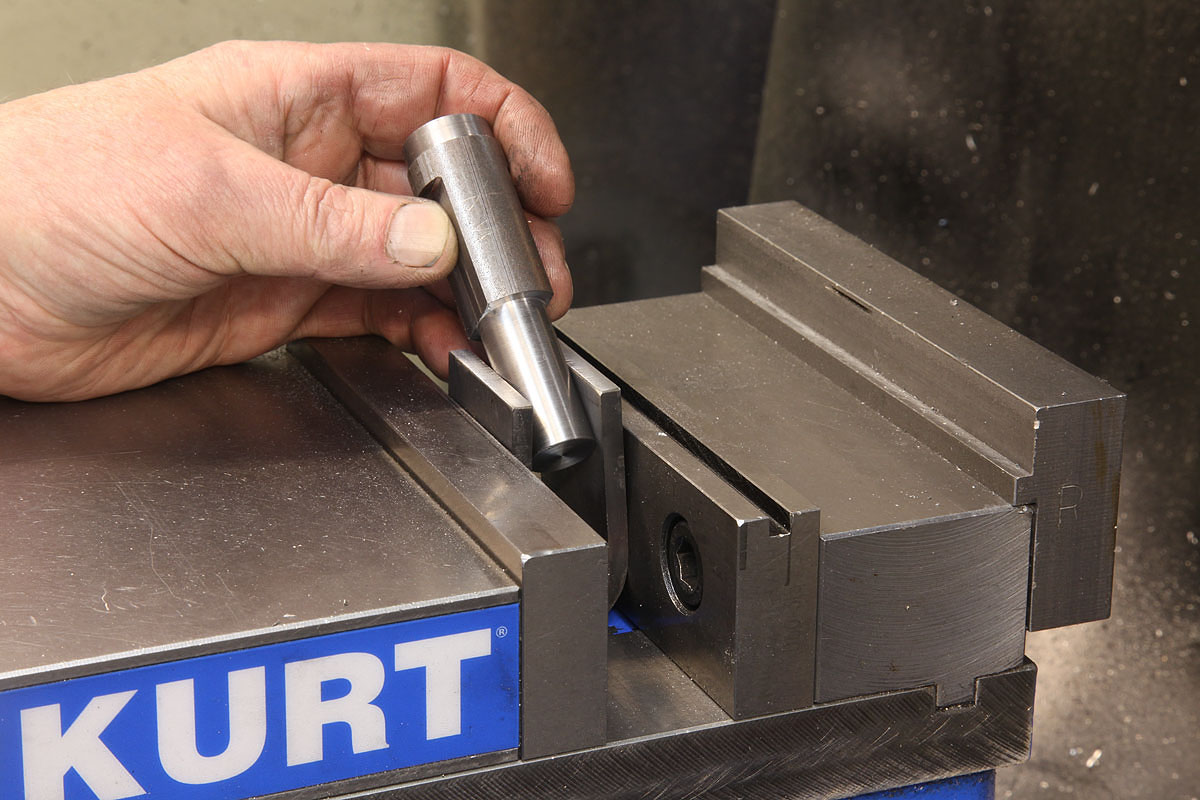
Bending stuff in mill vise:
It's big and strong, and with its parallel jaws, it makes the perfect press to true up my horseshoes.
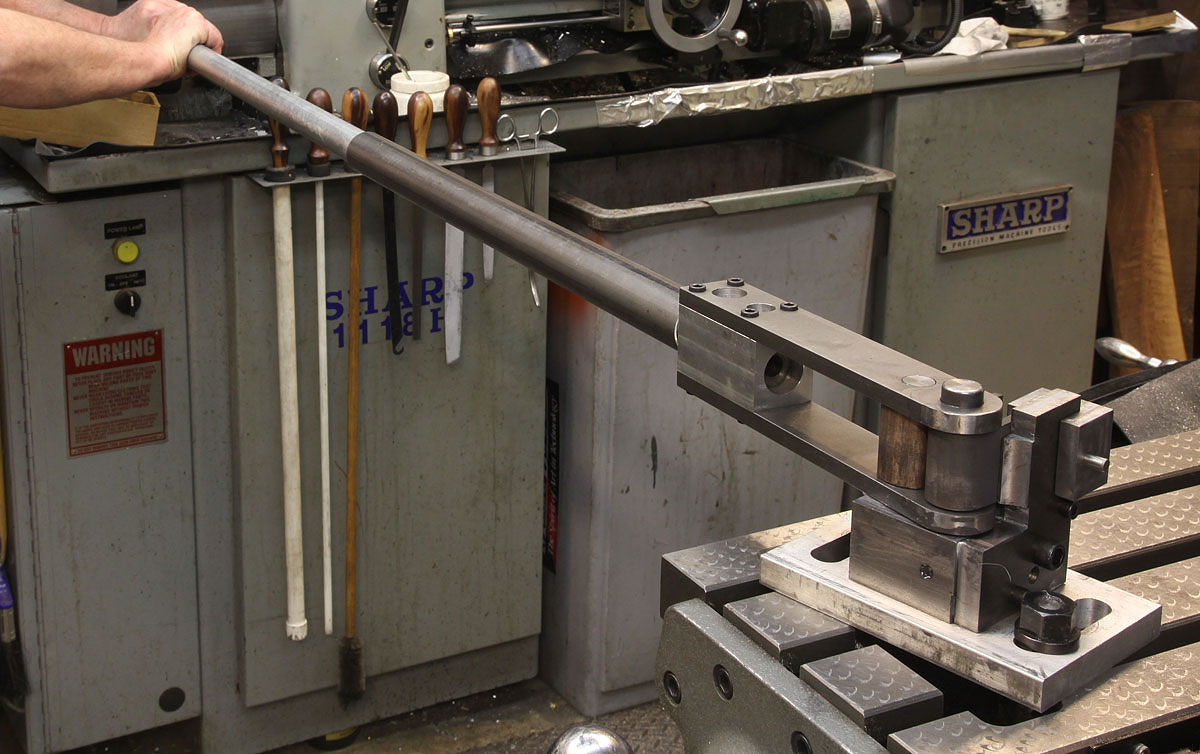
Usng mill table solid work/clamping table:
My bench is solid enough for most of what I get into but there is a clearance issue sometimes. So, instead of clamping this bending fixture to the bench, I use the mill table as good support.
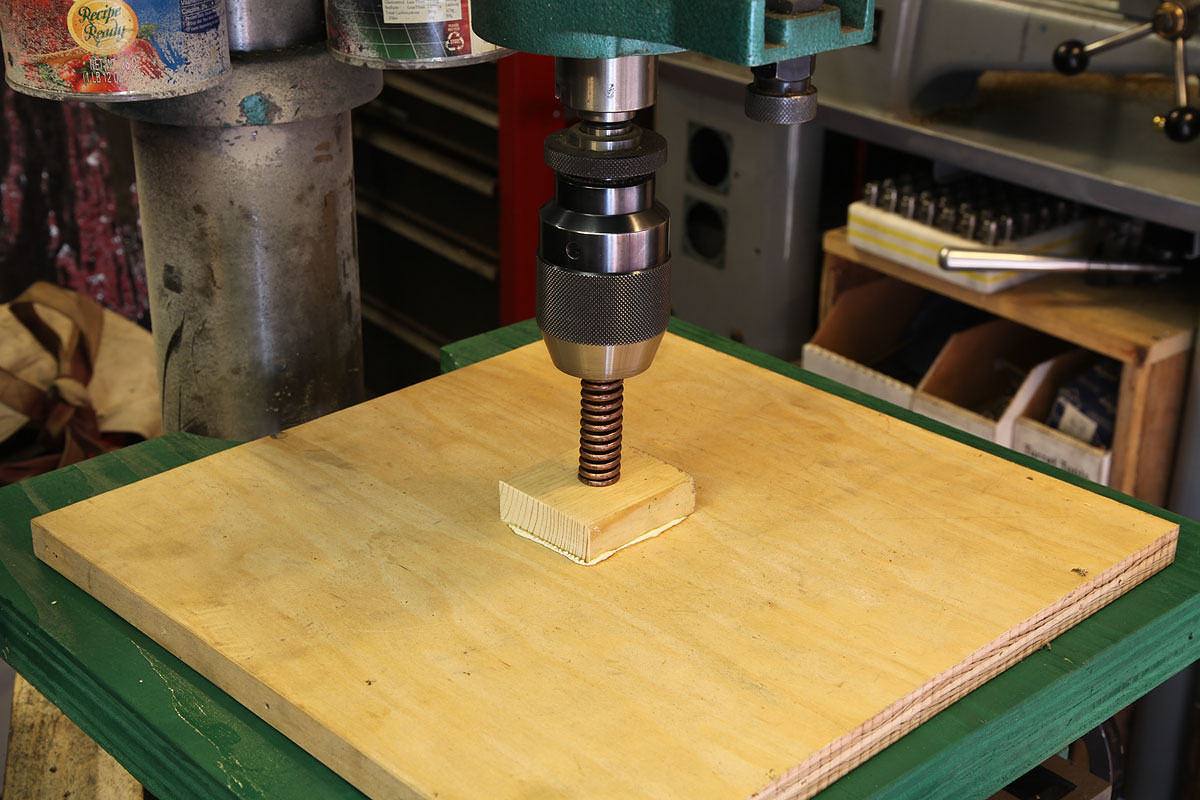
Drill press as long reach clamp for glue-ups:
I've used this technique quite a number of times over the years.
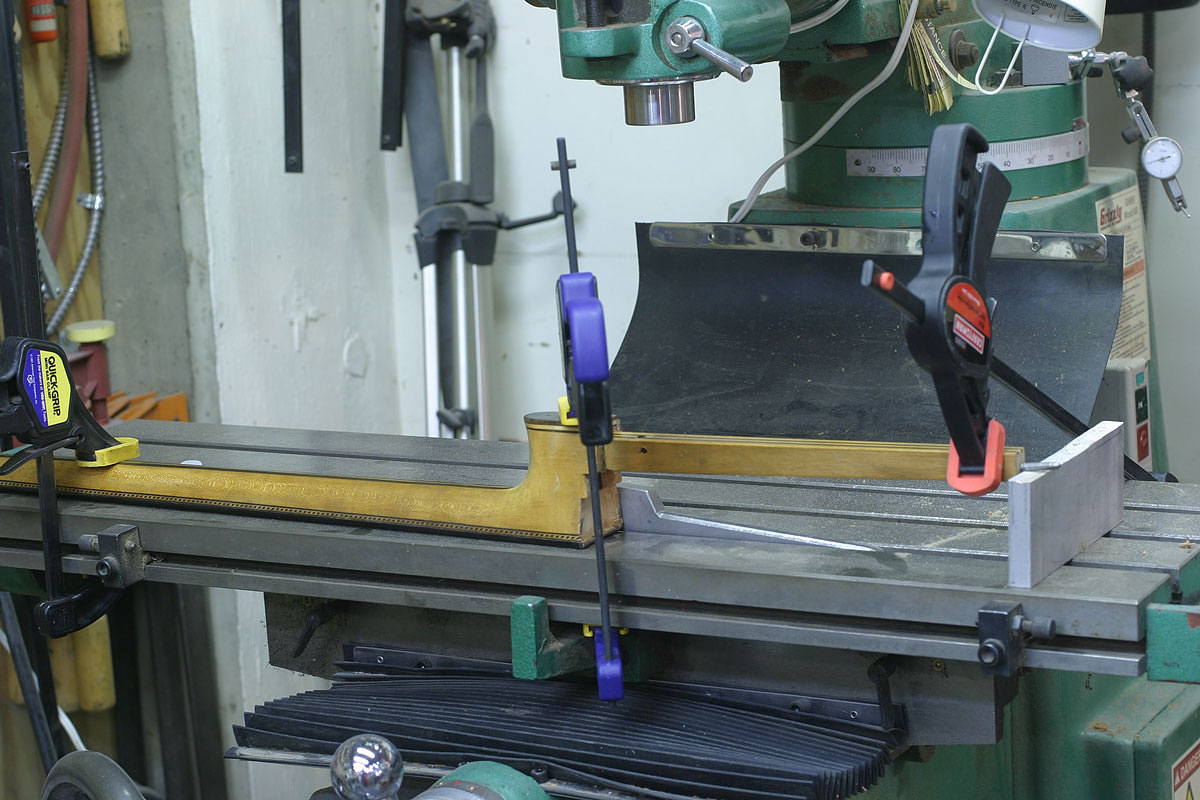
Mill table as fixturing table for aligning tricky glue jobs:
This job required me to stress the banjo neck dowel stick diagonally off axis while the glue set in the joint. A difficult clamping job made easy by use of the convenient mill table.
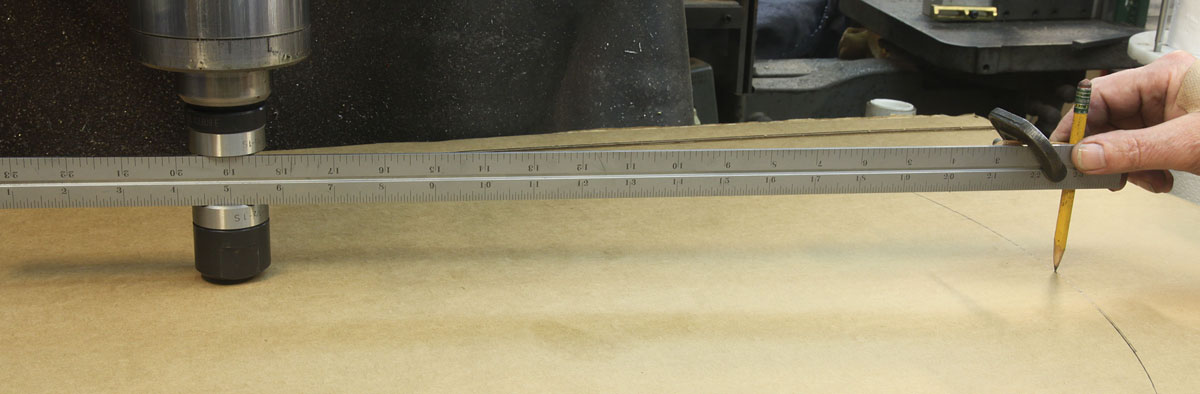
Mill as trammel for marking large radii:
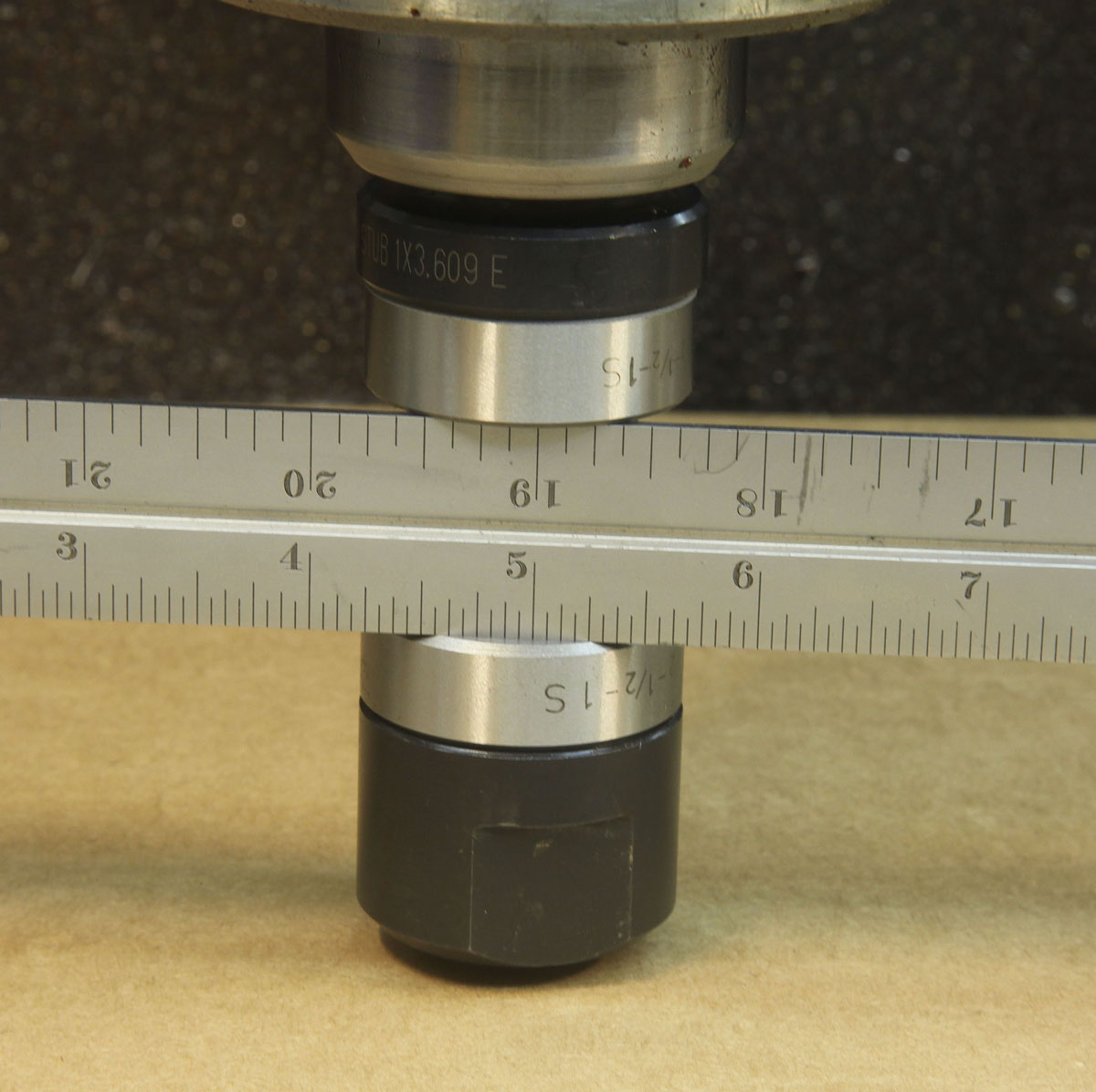
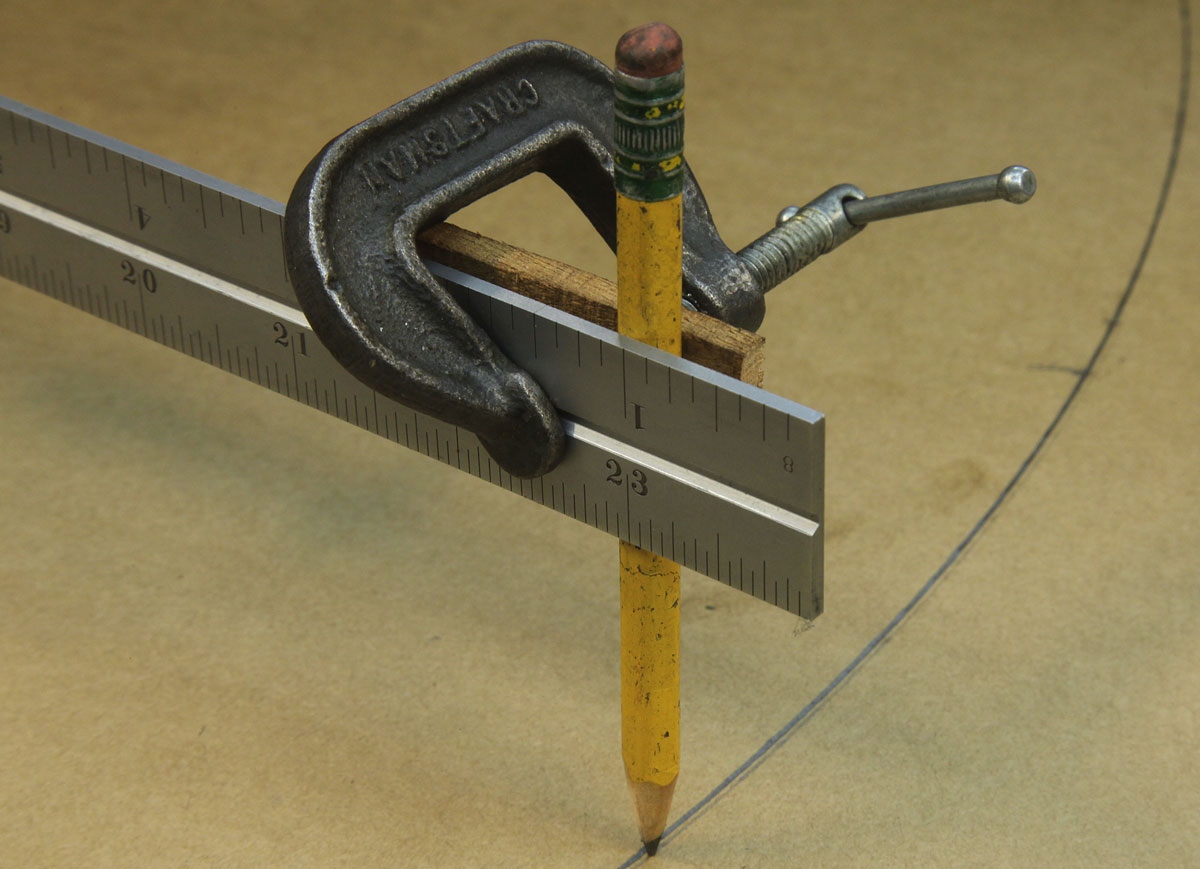
This one couldn't be much simpler. I just grip the blade from my combination square set in a stub arbor, and clamp a pencil at the one-inch mark:
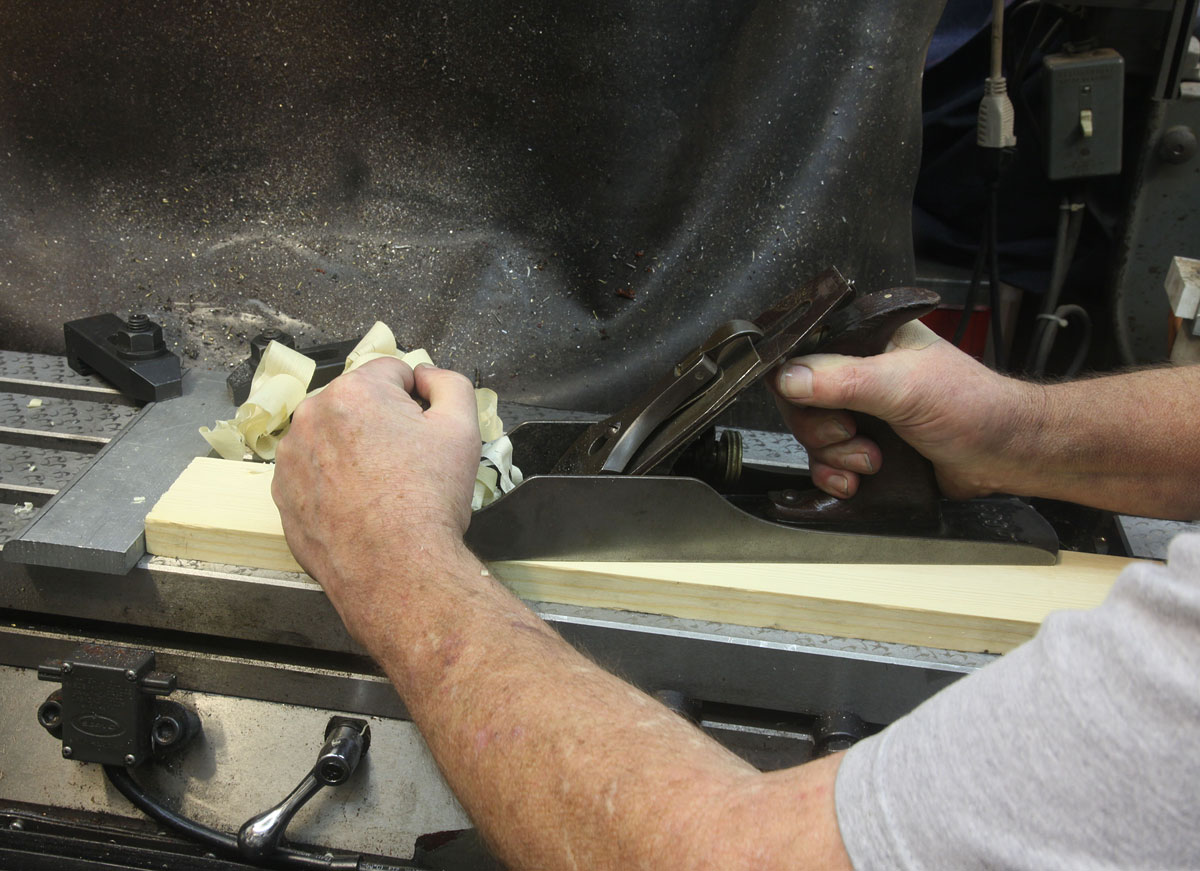
Mill table as height-adjustable work bench:
When I need to hand-plane a board, often as not I'll lower my mill table to a convenient height and use it as a work bench. It's easy to set a stop and the low position allows me to lean into the work for best posture and power.
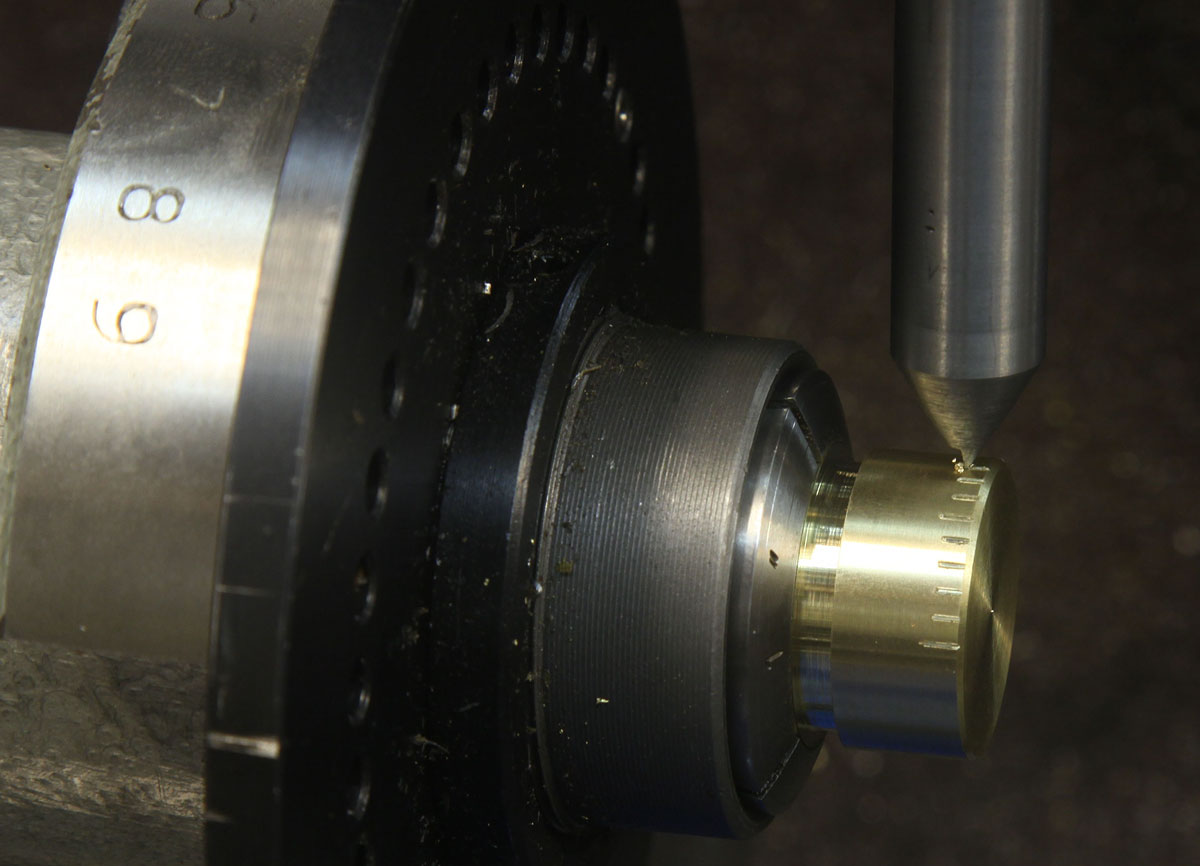
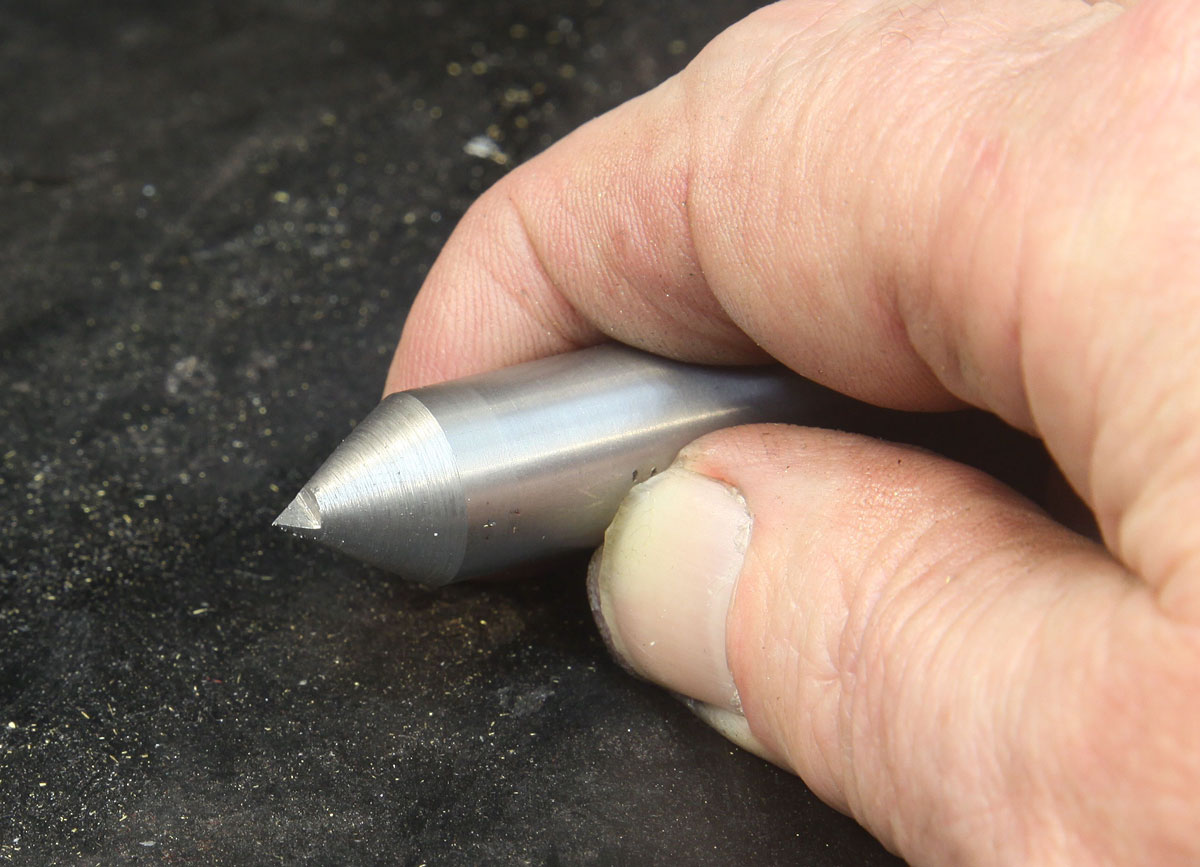
A simple shop-made scribing tool mounted in the mill spindle makes for easy marking of graduation lines. I raise the table very slowly to get the appropriate depth of cut, and move the x-asis to drag the point, engraving nice neat lines on a part held in the spin index:
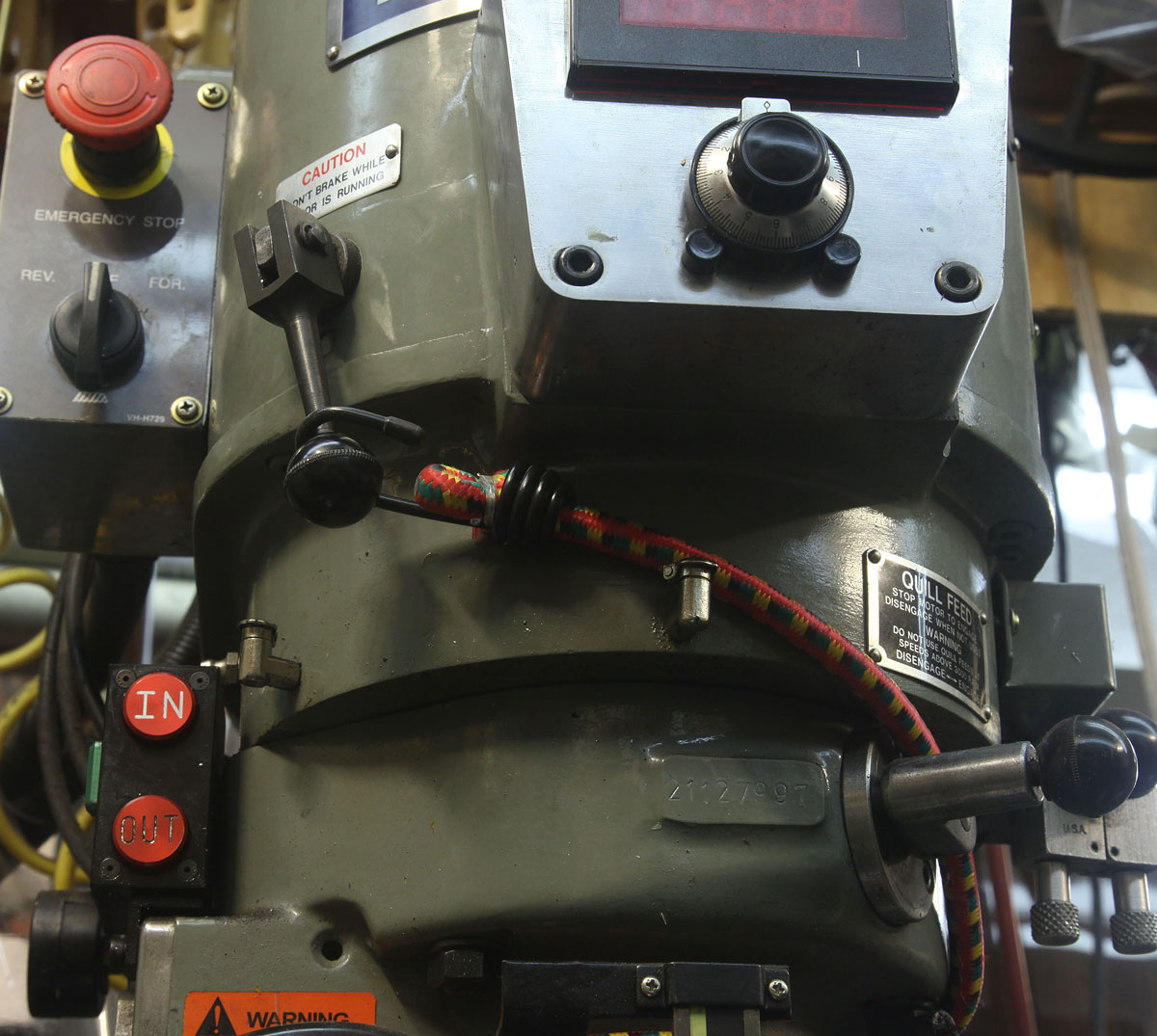
For extra stability I use a bungee cord on the spindle lock to keep the engraving point from rotating.